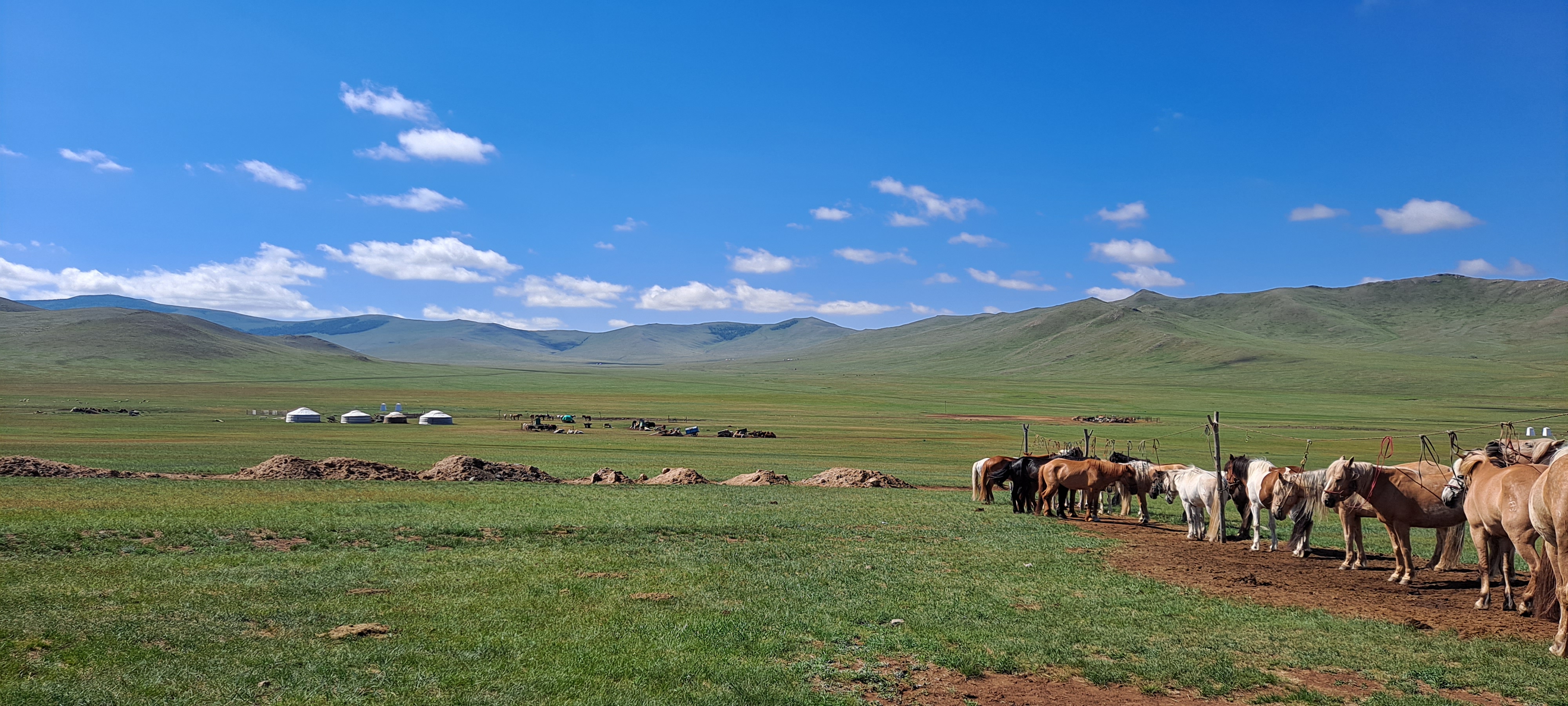
Ancient ruins of Karakorum — capital of the Mongol Empire
History & Culture · May – Oct

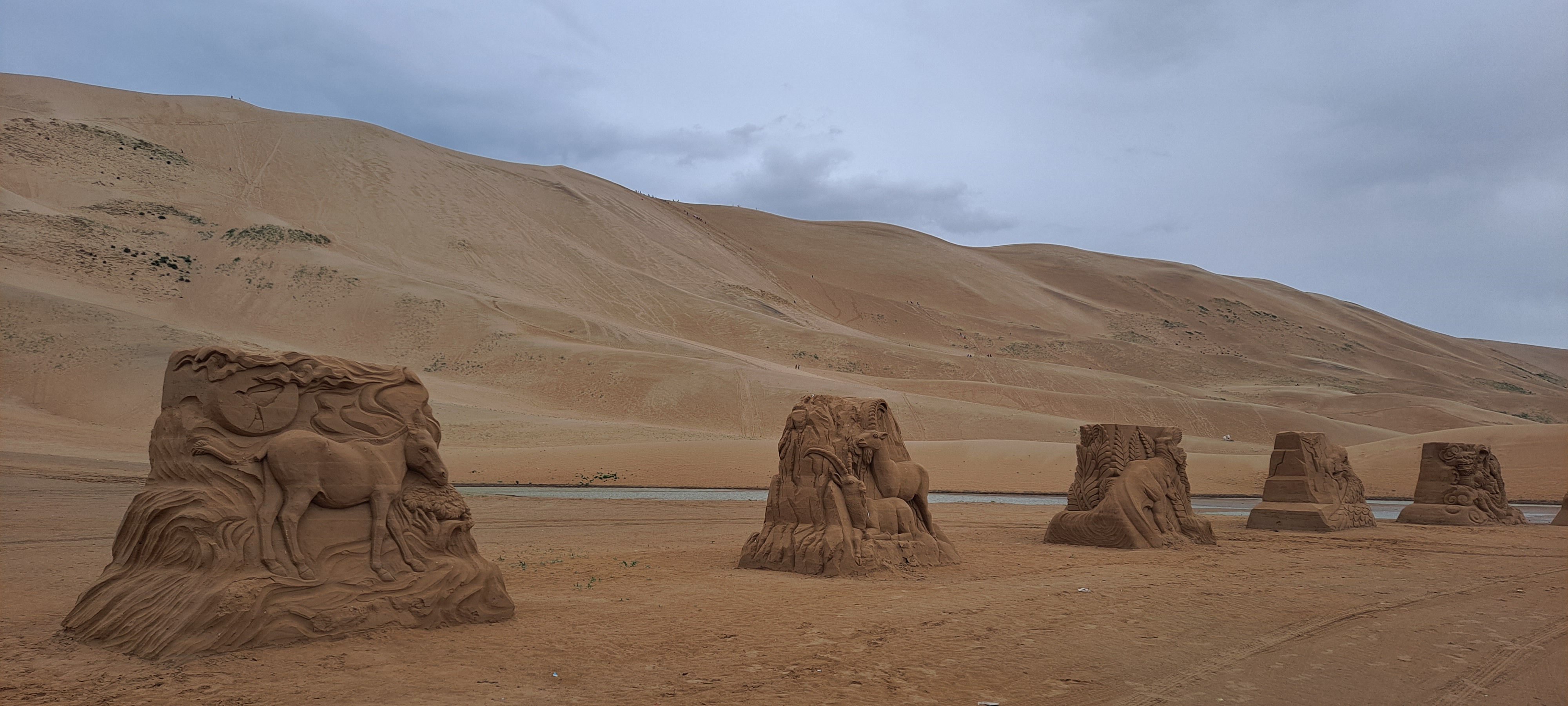
History & Culture

Ten thousand years of civilisation — from the Huns to Chinggis Khan to the great Buddhist monasteries. Mongolia's history is one of the most dramatic in the world.

Duration
9 – 13 Days
Group Size
Max 8
Season
May – Oct
Guide Type
Historian Guide
UNESCO Sites
Orkhon Valley
Starting From Per Person
$250 / Day
About This Journey

Where Empires Were Born

The Mongol Empire — the largest contiguous land empire in history — was born here, on these steppes. The ruins, monasteries, petroglyphs and sacred mountains that remain are staggeringly rich with stories waiting to be told.

Our Cultural & Historical tour is led by a professional historian-guide who brings each site alive with depth and passion. You will stand on the ancient capital of Karakorum, meditate in the halls of Erdene Zuu monastery, and trace the Bronze Age petroglyphs of the Mongolian Altai.

This tour pairs seamlessly with our Nomadic Life or Gobi Desert experiences for a complete Mongolia journey covering both landscape and cultural heritage.
Key Historical Sites
13th Century
Karakorum — Capital of the Mongol Empire
Walk the ruins of the world's most powerful medieval city. At its height, it hosted ambassadors from France, Persia, Russia, China and Korea simultaneously.
1586 AD
Erdene Zuu Monastery
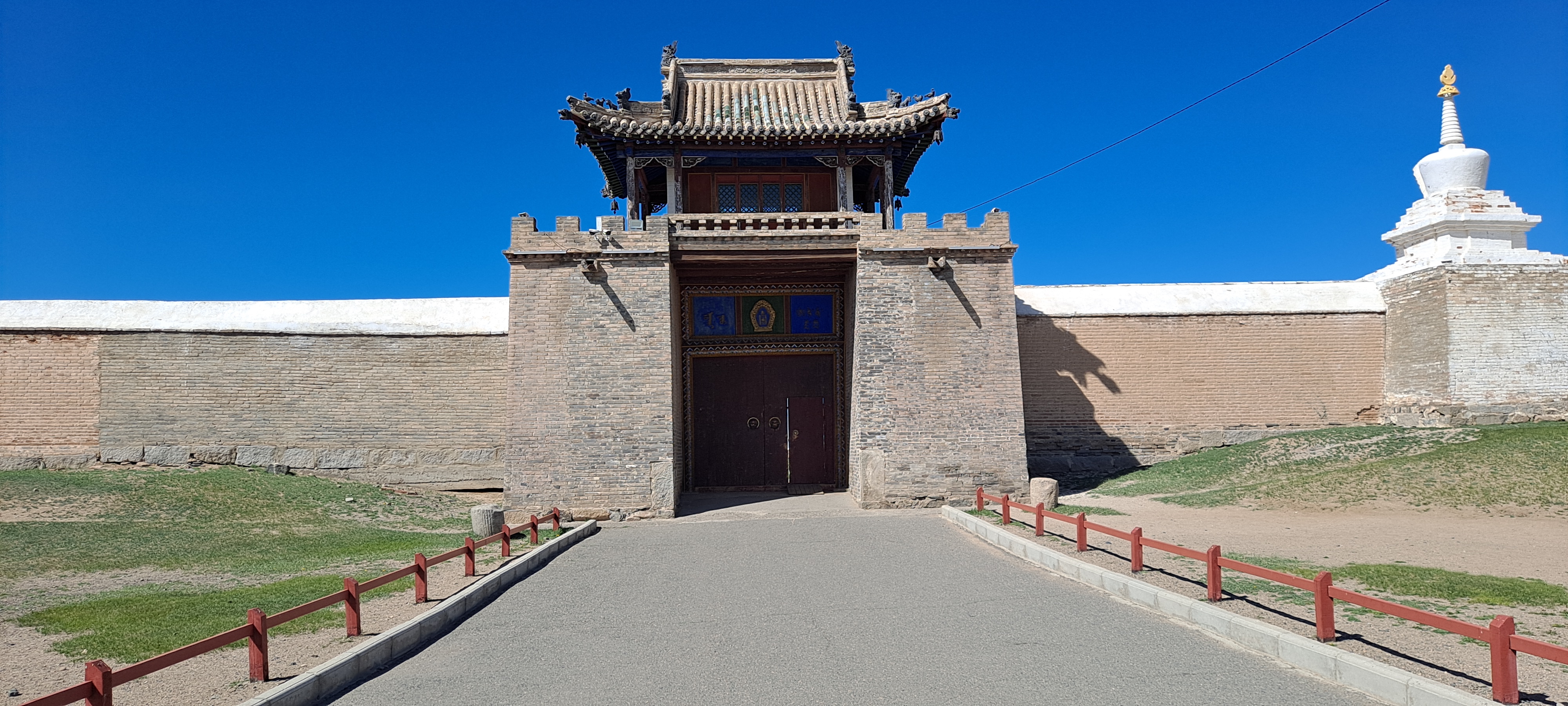
The oldest surviving monastery in Mongolia, built directly from the stones of Karakorum. Its 108 white stupas and surviving temples are one of Central Asia's great treasures.
UNESCO Heritage
Orkhon Valley
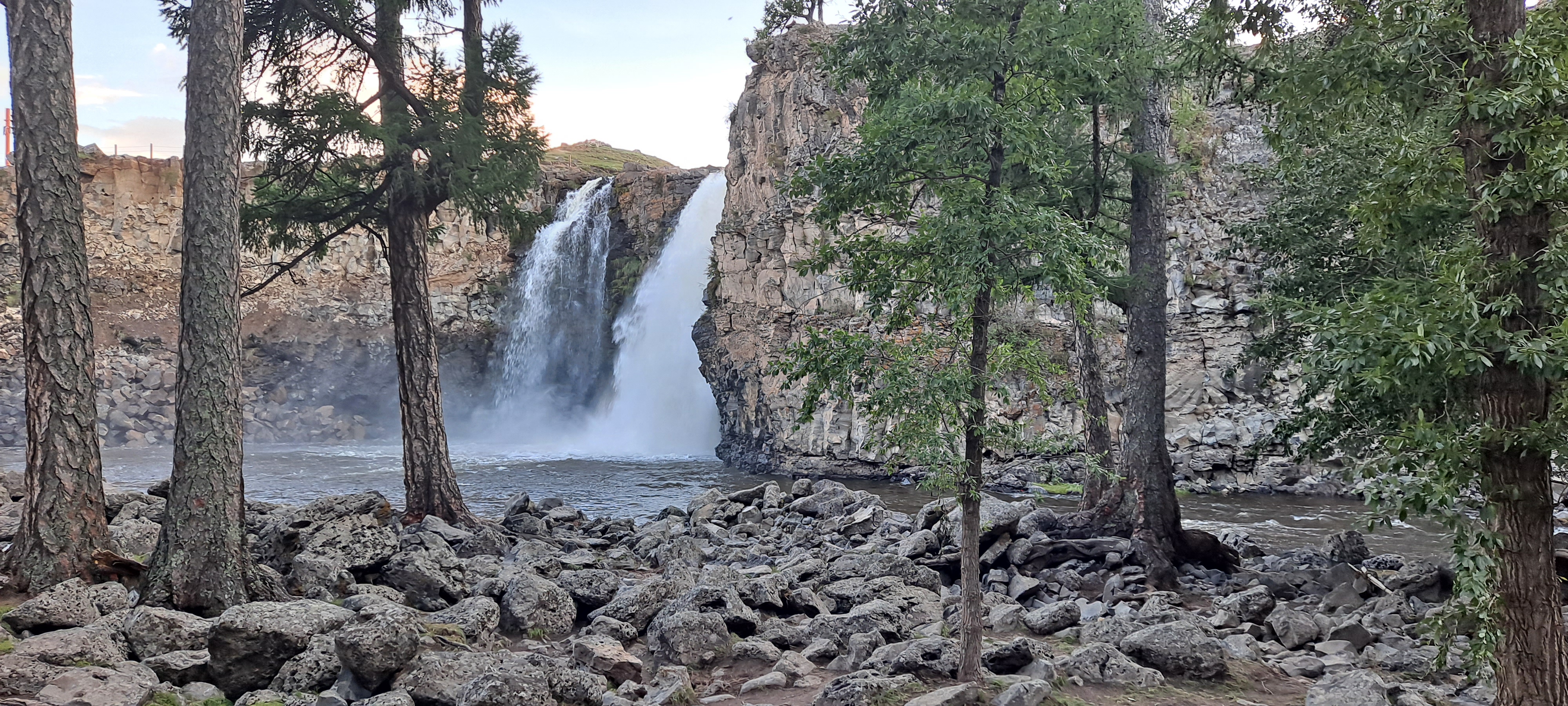
Over 2,000 years of continuous nomadic habitation along the sacred Orkhon River. Ancient Turkic monuments and the stunning Orkhon Waterfall.
19th Century
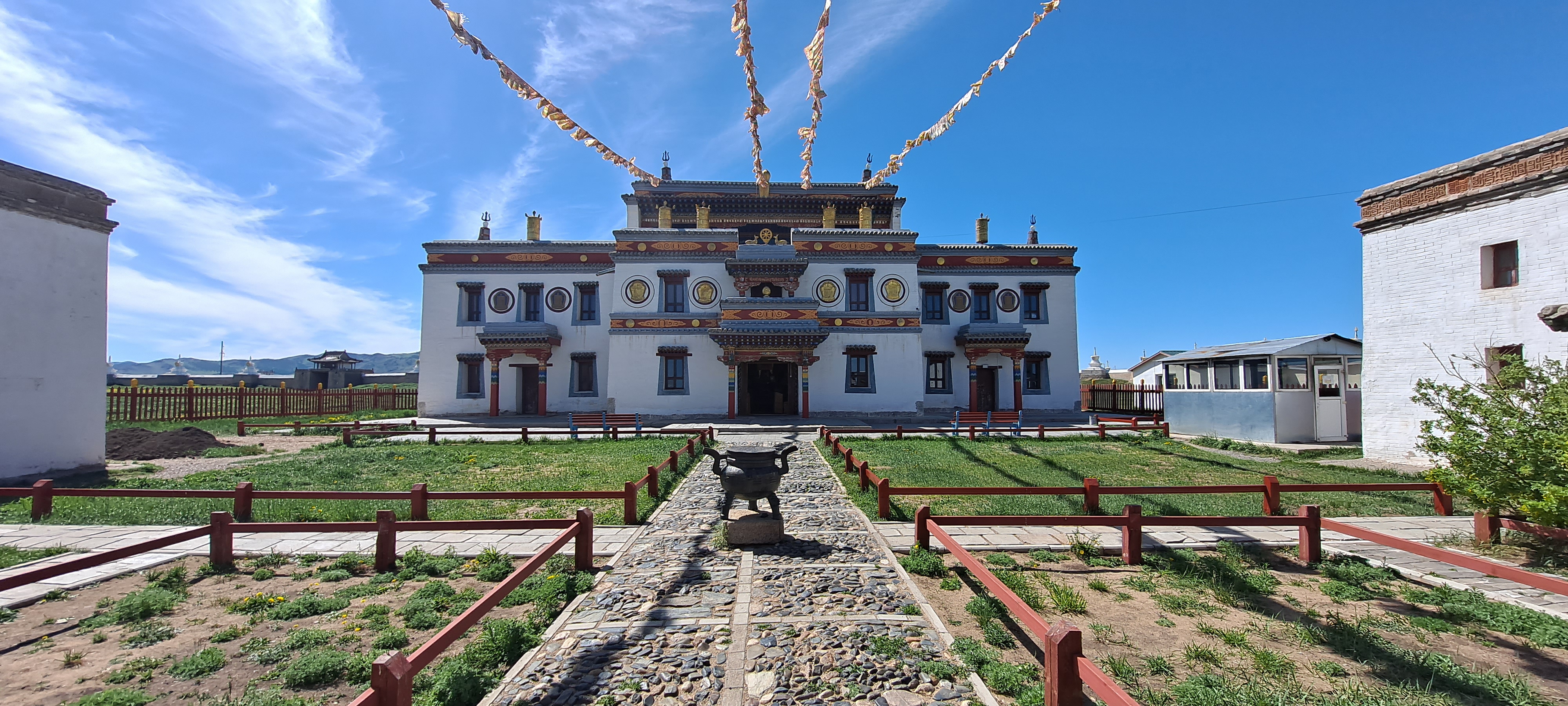
Amarbayasgalant Monastery
One of the best-preserved Buddhist complexes in Central Asia. Active monks, ancient prayer rituals, and extraordinary Qing-dynasty architecture set in a mountain valley.
🏯
Ancient Karakorum
🕌
Erdene Zuu Monastery
🗿
Bronze Age Petroglyphs
🏔
Sacred Mountains
🐴
Wild Takhi Horses
📿
Active Monastery Rituals
Day-by-Day Itinerary
Day 1
Ulaanbaatar Cultural Immersion
Begin at Gandan Monastery for the morning prayer ritual — the scent of incense, the resonance of chanting monks, and the gilded 26-metre statue of Megjid Janraisig. Continue to the National Museum of Mongolia, covering 10,000 years of history. Evening traditional performance at the State Theatre — throat singing, contortion, and the morin khuur.
Day 2
Mini Gobi · Kharkhorin City
Drive south-west through the striking "Mini Gobi" — a compact landscape of sand dunes and desert steppe that captures the spirit of the Gobi. Continue to Kharkhorin, site of the ancient Mongol capital Karakorum. Visit the Kharkhorin Museum, which brings the 13th century empire to life, and walk the walls of Erdene Zuu Monastery — the oldest in Mongolia, built from Karakorum's own stones in 1586.
Day 3
Tövkhön Monastery · Orkhon Waterfall
Hike up to Tövkhön Monastery — the sacred hermitage of the great Zanabazar, founder of Mongolian Buddhism, perched on a pine-forested volcanic peak in the Khangai Mountains. Descend and drive to the Orkhon Waterfall, where the river plunges through an ancient lava canyon in one of Mongolia's most dramatic natural spectacles. Camp beside the Orkhon River.
Day 4
Hot Springs · Relaxation Day
Spend the day at the natural hot springs of the Khangai region — mineral-rich geothermal pools set against a backdrop of open steppe and distant mountains. A restorative pause in the middle of the journey. Soak, rest, and breathe. Evening in the ger camp as the Khangai range glows at dusk.
Day 5
Khorgo National Park · White Lake
Drive to Khorgo-Terkhiin Tsagaan Nuur National Park. Climb the extinct Khorgo volcano — a short but rewarding hike to the crater rim with panoramic views of the surrounding lava fields and the glittering White Lake (Terkhiin Tsagaan Nuur) below. Explore the lava caves and the dramatic volcanic landscape before camping by the lakeshore.
Day 6
Drive to Khövsgöl · Shine Ider Sum
Set off north toward Lake Khövsgöl — one of the great freshwater lakes of Asia. The drive passes through the highland valley of Shine Ider Sum, a quiet and beautiful sum (district) centre nestled among the northern Khangai foothills. Arrive at the southern shore of Lake Khövsgöl by evening. Camp with the lake and the taiga forest before you.
Day 7
Khövsgöl Lake · Exploration
A full day to explore the shores and environment of Lake Khövsgöl — one of the world's 17 ancient lakes, holding nearly 70% of Mongolia's fresh water. Walk the forested shoreline, visit a local fishing family, and absorb the extraordinary stillness of this vast, pristine lake. The water is famously clear enough to drink directly. Overnight in a lakeshore ger camp.
Day 8
Khövsgöl Lake · Horse Riding & Boat
The finest day on the lake — a morning horse ride along the western shoreline through taiga forest and alpine meadow, with the lake shimmering below through the trees. In the afternoon, take a private boat out onto the open water for a different perspective entirely — the mountains, the forest, the sky and the deep blue of Khövsgöl from the middle of the lake.
Day 9
Amarbayasgalant Monastery
Drive east to Amarbayasgalant — one of the finest and best-preserved Buddhist monastery complexes in all of Central Asia. Built in the Qing dynasty style in the early 18th century, its symmetrical courtyards, ornate temples and active community of monks create an atmosphere of profound peace. Attend the morning prayer ceremony and speak with resident monks through your guide.
Day 10
Return to Ulaanbaatar
Drive back to Ulaanbaatar through the rolling northern steppe. Arrive in the capital by late afternoon. Farewell dinner with your guide — a celebration of ten days that traced Mongolia from its ancient capital to its sacred lakes and living monasteries.

Walk through history

Our historian guides will bring Mongolia's extraordinary past to life at every step of this unforgettable journey.